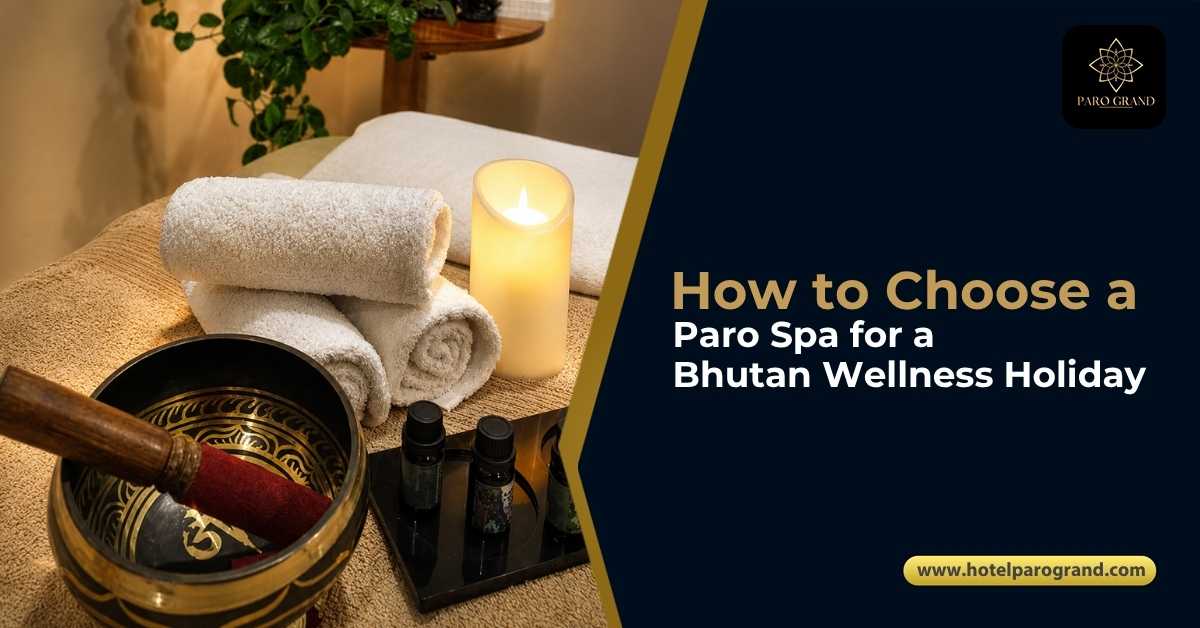

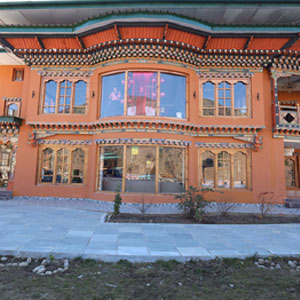
Bhutanese wellness is closely linked to traditional medicine, local herbs, healing baths, massage, and Bhutanese culture.
A traditional Bhutanese spa is different from a regular spa because it is based on local healing traditions, herbal treatments, baths, and massage.
Choosing a spa in Paro is easier when you know what kind of experience you want. Some treatments are offered in traditional homestays, while others are available at wellness centres, hotels, and retreats with more modern facilities.
What Are the Different Types of Traditional Bhutanese Treatments?
.png)
If you are looking for a spa in Paro, Bhutan, these are the main experiences you may come across:
Traditional Hot Stone Bath
One of the most famous Bhutanese wellness experiences, the hot stone bath, is closely connected with local bathing traditions.
● Also known as Dotsho or Menchu.
● River stones are heated over a fire.
● Hot stones are placed in the bath to heat the water.
● More stones can be added to control the temperature.
● Herbs such as Artemisia (wormwood) may be added.
● The heated stones make it different from a regular spa bath.
● The warm water can help you relax after hiking or travelling.
● Traditionally linked with comfort for tired muscles and joints.
● These are traditional beliefs, not proven medical benefits.
Best for: A first-time visitor wanting a distinctly Bhutanese experience.
Herbal Baths
Herbal baths use prepared plants and herbs in warm bathing water.
● Herbs are chosen based on the type of bath.
● They may be fresh, dried, or prepared.
● Different providers may use different herbs.
● Herbs are added to warm bathing water.
● Some baths use a mix of herbs.
● They provide relaxation or traditional wellness.
● Available at homestays, hotels, wellness centres, and retreats.
● Temperature and treatment time can vary.
● Ask about the herbs if you have allergies or sensitive skin.
Before booking, ask for:
● Which herbs are used?
● How is the bath prepared?
● How long does it last?
● Is a consultation included or not?
Best for: This is ideal for those travellers who are interested in Bhutanese herbs and want to take a traditional bath.
Herbal Therapies
For centuries, Bhutanese traditional medicine has used different plants to treat illnesses.
Herbs may be used in:
● Baths
● Steam treatments
● Compresses
● Herbal balls
● Oils
● Other traditional preparations
This type of treatment depends on the practitioner and the purpose of the session
● Different herbs have different traditional uses.
● Preparation methods can also vary.
● Some therapies are closely connected with traditional medicine.
● Others are offered mainly as wellness experiences.
● “Traditional” or “natural” does not mean every health claim has been scientifically proven.
Best for: Mostly preferred by those visitors who want to learn more about Bhutan's traditional use of plants.
Traditional Bhutanese Massage
Traditional massage is another option for a relaxing Bhutan Spa Experience.
You may come across Ku Nye or Sorig massage in Bhutanese wellness and traditional medicine settings.
● Oils may be used during the treatment.
● Massage techniques and pressure can vary.
● The therapist may focus on different areas of the body.
● Some sessions are gentle and relaxing.
● Others may use firmer pressure.
Before starting, confirm:
● Tell them your preferred pressure.
● Mention areas you want to avoid.
● Confirm the massage type.
● Ask if the treatment is for wellness or healthcare.
Best for: This treatment is best for people who want hands-on relaxation instead of a bathing treatment.
Herbal Steam Bath
Herbal steam combines warm steam with selected herbs or plant preparations.
● Herbs are prepared before the treatment.
● Warm steam fills the treatment space.
● The visitor sits or rests in the steam.
● The treatment may be shorter than a full herbal bath.
● The herbs used can vary between providers.
● It provides a warm and relaxing experience.
If you are sensitive to heat or steam, check the conditions before starting.
Best for: People who want to enjoy the warm steam and want something different from a regular spa session.
Hot Oil Compression
Hot oil compression is a traditional treatment using comfortably warmed oil.
● Oil is heated before application.
● It may be applied to selected areas.
● Warm oil can be combined with gentle pressure.
● The technique differs from a standard oil massage.
● The focus is on warmth, oil, and traditional application methods.
● Treatment methods can vary between practitioners.
Best for: Travellers looking for a warm, soothing treatment without taking a bath.
Herbal Ball Compression
Herbal ball compression uses a cloth bundle containing herbs or plant materials.
● Herbs are placed inside a cloth bundle.
● The bundle may be heated before use.
● It is gently pressed against different areas of the body.
● The treatment combines warmth, herbs, and pressure.
● The herbs and preparation can differ by provider.
● It is different from an ordinary massage.
Before booking, ask what is inside the herbal bundle, especially if you have allergies or sensitive skin.
Best for: Travellers who want to explore a traditional treatment they haven’t tried before.
Traditional Oil and Herbal Baths
Some traditional treatments combine warm water, oils, and medicinal plants.
You may find:
● Herbal water baths
● Oil baths
● Medicinal water baths
● Plant-based bathing treatments
● Warm oil applications
Your experience can vary depending on the place you choose.
● A homestay may offer a simple traditional setup.
● A wellness centre may have dedicated treatment rooms.
● A hotel or retreat may combine traditional treatments with modern facilities.
● The ingredients and preparation should be explained before the session.
Best for: Travellers who want to explore different forms of Bhutanese bathing traditions.
Traditional Bhutanese Spa or Luxury Hotel Spa: What's the Difference?
|
Traditional Bhutanese Spa |
Luxury Hotel Spa |
|---|---|
|
Focuses on Bhutanese traditions |
Focuses on modern spa treatments |
|
Hot stone and herbal baths are common |
Facials, body treatments, and massages are common |
|
Uses local herbs, oils, and heated stones |
Often uses branded or specialised spa products |
|
May have a simple, traditional setting |
Usually offers a polished, comfortable setting |
|
Some treatments are linked to traditional medicine |
Treatments are generally designed for relaxation and beauty |
|
Can be found at homestays and wellness centres |
Usually located within hotels or resorts |
|
Good for cultural immersion |
Good for luxury and convenience |
|
Treatment options may be more limited |
Usually offers a larger treatment menu |
What Happens During a Traditional Bhutanese Spa Visit?
Taking a spa in Paro, Bhutan, usually involves a few simple steps. The process may vary depending on the treatment and location, but it generally includes:
● Arrival and registration
● Choose or confirm your treatment
● Brief consultation about comfort, allergies, or preferences
● Prepare herbs, oils, water, or hot stones
● Get a quick explanation of the treatment
● Change into suitable clothing, if required
● Begin the treatment
● Rest and cool down after the session
● Shower or change clothes, if facilities are available
● Drink water and relax before leaving
When Is the Best Time to Try a Traditional Bhutanese Spa?
.png)
You can enjoy a Bhutan Spa Experience at any time of year, but some situations can make it more comfortable and enjoyable.
After a day of hiking:
A warm bath or massage can be a relaxing way to rest tired muscles after exploring Bhutan's trails.
During the colder months:
Hot stone baths and warm herbal treatments can feel especially comfortable when the weather is cool.
After a busy sightseeing day:
If you have spent hours visiting monasteries, viewpoints, or travelling between towns, a spa session gives you time to slow down.
On a relaxed travel day:
Avoid squeezing a long treatment between several activities. Give yourself enough time before and after the spa session.
In the evening:
A warm bath or massage can be a good way to wind down, especially if you do not have more sightseeing planned.
Frequently Asked Questions
Is taking a traditional Bhutanese hot stone bath worth it?
Yes, a traditional Bhutanese hot stone bath gives you a relaxing experience, and this is one of the best ways to explore Bhutan's traditional wellness.
Can I take a spa treatment after the Tiger’s Nest hike?
Yes, after hiking to Tiger's Nest, your body becomes tired; taking a spa treatment can help your body recover, relax, and feel fresh.
What should I wear for a Bhutanese hot stone bath?
This depends on the place. Before booking, ask about the dress code, privacy, and changing facilities when booking so you know what to expect.
At The End
A traditional Bhutanese spa is a good choice if you want more than a regular massage. You can try hot stone baths, herbal treatments, warm oil treatments, and traditional massages.
When booking a spa in Paro, check the treatment details and facilities. Choose a place that matches your needs and travel plans.
Hotel Paro Grand can be a convenient choice for exploring Paro and experiencing Bhutanese spa treatments.
